Sigur Rós, Björk, múm… If you have ever explored alternative music, chances are you have encountered at least one of these names. With their distinctive melodies, experimental sounds and otherworldly atmospheres, Icelandic artists have attracted listeners far beyond the country’s shores.
Iceland has a population of just over 400,000, yet it has produced a significant number of internationally recognised musicians. What makes the country’s music scene so unique? And could Iceland’s dramatic landscape have something to do with it?
During my time in Reykjavík, I had the opportunity to interview three people regarding the relationship between music, culture and nature.
The first was Masaya Ozaki, Japanese musician based in Reykjavík.
WF(or author): I Why did you choose Reykjavík as your base?
Masaya: I really like the music community here. Because the city is relatively small, there are many opportunities to collaborate across genres. I also feel there is more freedom to experiment. In other countries, music scenes can be more divided by genre, so collaborations between different communities are not always as common.
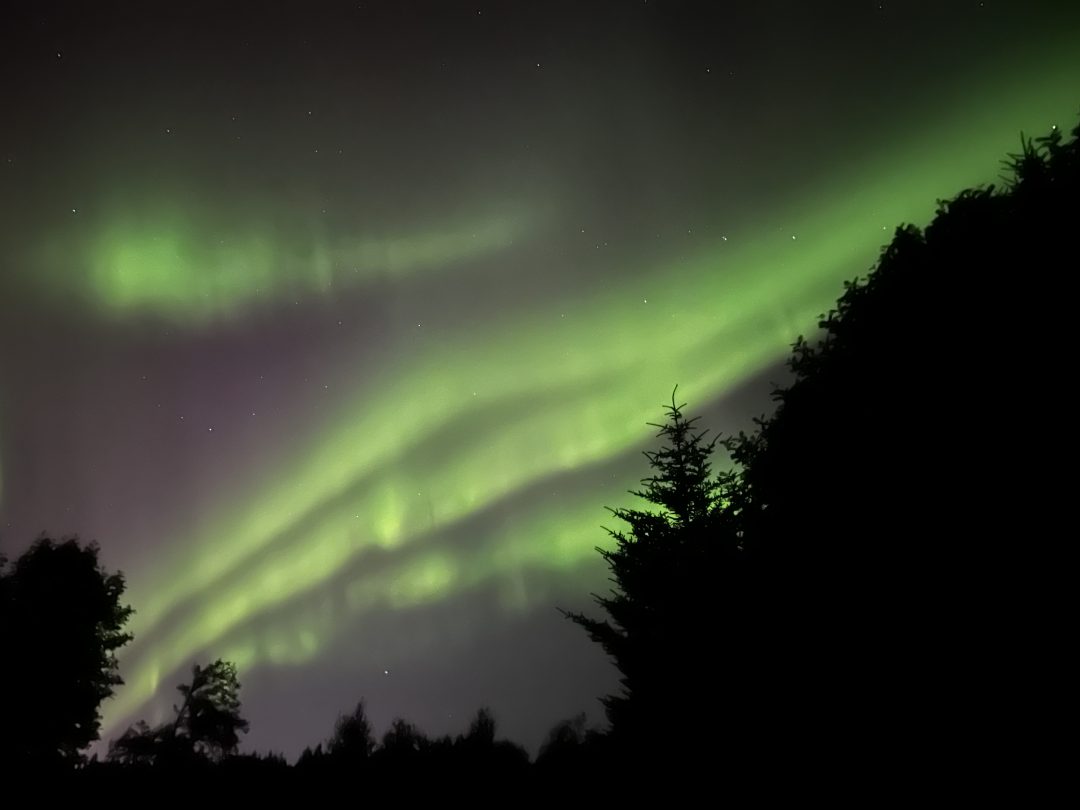
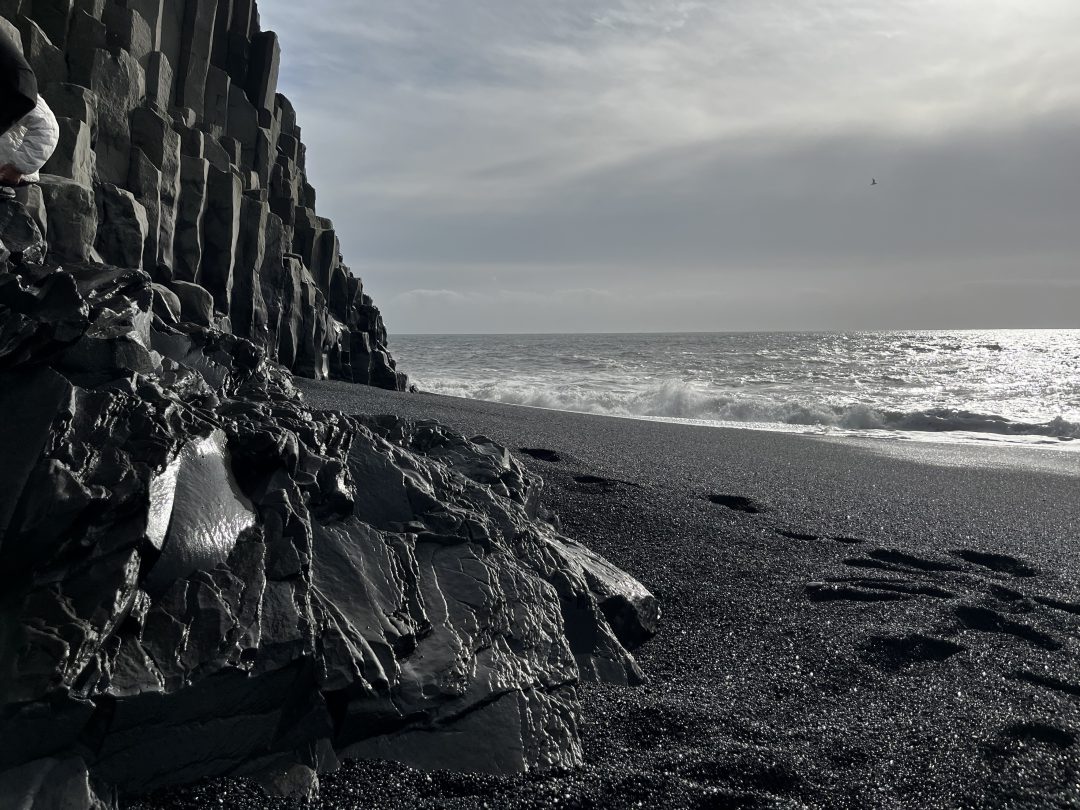
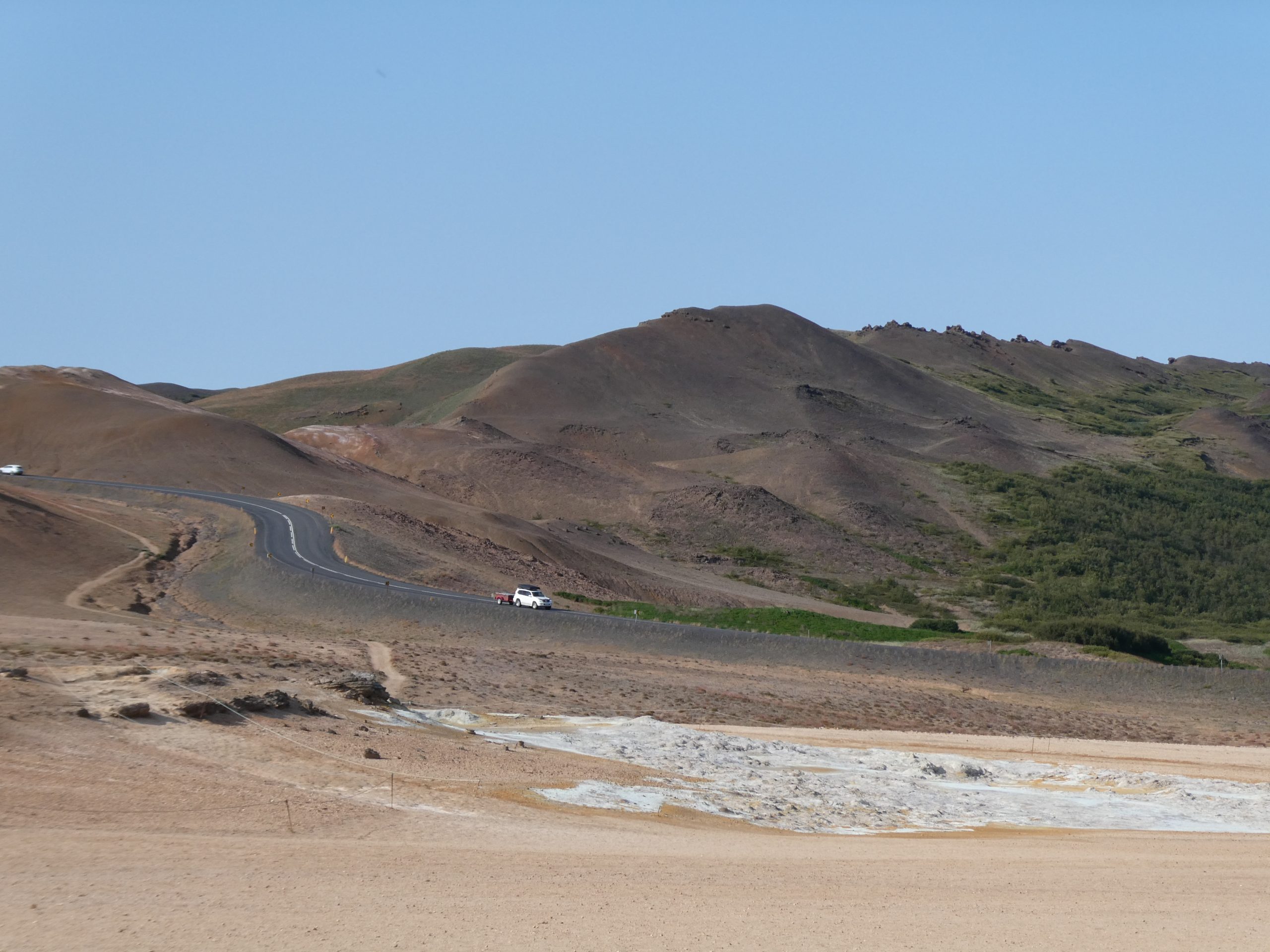
WF(or author): Icelandic music often has a very distinctive sound. Do you think the country’s landscape has something to do with that? Does its rich but sometimes harsh nature inspire musicians?
Masaya: Rather than deliberately making music about nature, I think nature is simply so close to everyday life here that it influences us without us even being conscious of it. You can also hear the sounds of nature in daily life. For example, I have used the sound of ice in my own music.
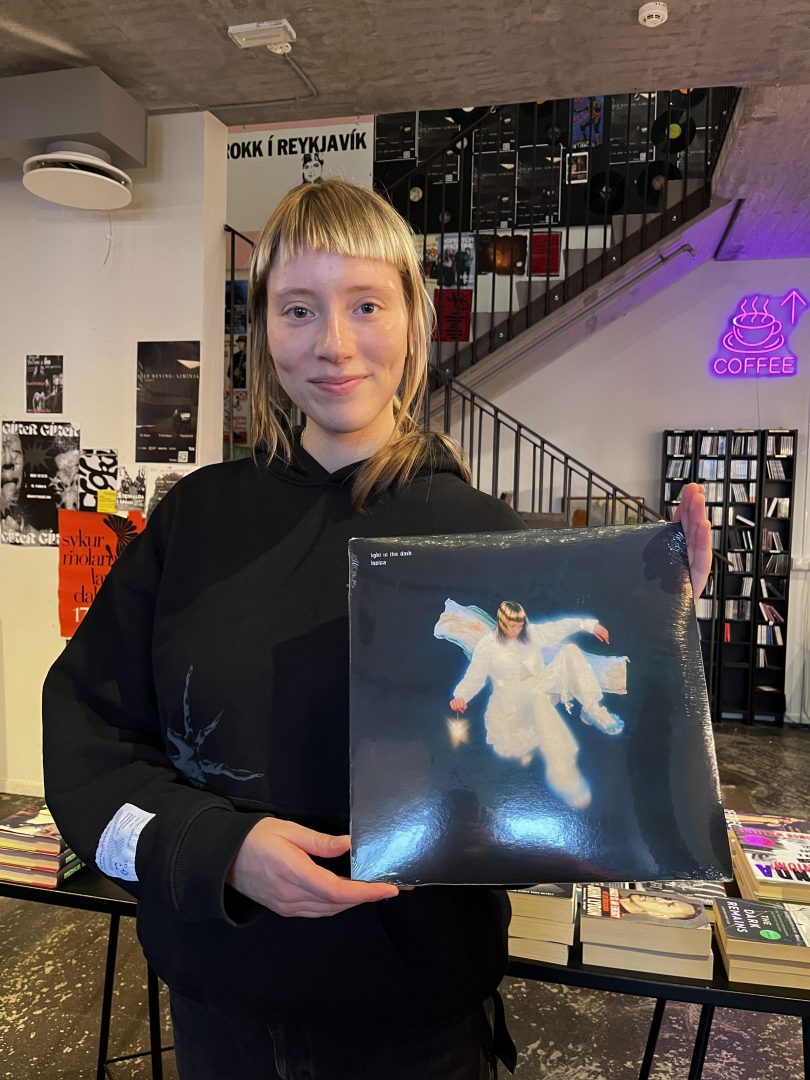
I then talked with an Icelandic musician Lupina, who is also working in a vinyl cafe Smekkleysa in Reykyavik.
WF(or author): For Icelandic musicians, do you feel this country’s extreme climate and exquisite landscape impact music production?
Lupina: Definitely yes. This landscape and the nature co-exists with us. Also this island is geography isolated that makes Icelandic music scene very special and unique.
In addition, we interviewed two people from Reykjavík who work in the film industry. At their request, I will refer to them by pseudonyms.
WF(or author): Is music something important and familiar in everyday life for people in Iceland?
Local film maker: Yes. Because of the harsh climate, we spend a lot of time indoors, so music is an essential part of life.
WWF (or author): When I spoke with Masaya, they said that Icelandic nature may influence music unconsciously precisely because it is so close. What does nature mean to Icelanders?
Local film maker: Nature is close to us, but it is also something we fear. Because we respect its power, we understand that there should be boundaries between us and nature.
This relationship between intimacy and respect is particularly striking. Icelandic nature is not simply a beautiful backdrop or a source of inspiration. It is a powerful presence that shapes everyday life—and demands caution.
That relationship is becoming increasingly important as tourism continues to grow. According to Alto, the number of visitors has almost doubled in recent years.
WWF (or author): How do you feel about the impact of overtourism on nature?
Local film maker: There are certainly many more tourists now. Iceland’s unique nature offers experiences that cannot be found elsewhere in the world, so I believe welcoming visitors is also part of our responsibility. At the same time, some people approach nature without respecting its power, and unfortunately, there have been cases of visitors losing their lives.
Through these two conversations, I came to see Iceland’s music scene from a different perspective. Perhaps its uniqueness does not come from nature as a conscious artistic subject, but from a landscape so present in everyday life that it becomes part of the way people experience, create and understand the world.
Protecting Iceland’s extraordinary natural environment is therefore about preserving landscapes. It also means protecting the cultural ecosystem that has grown alongside them including a music scene whose distinctive voice continues to resonate around the world.
By,
Muziki Oka (Japan)